Gallery
 Home » Wildlife

All different wildlife subjects photographed.
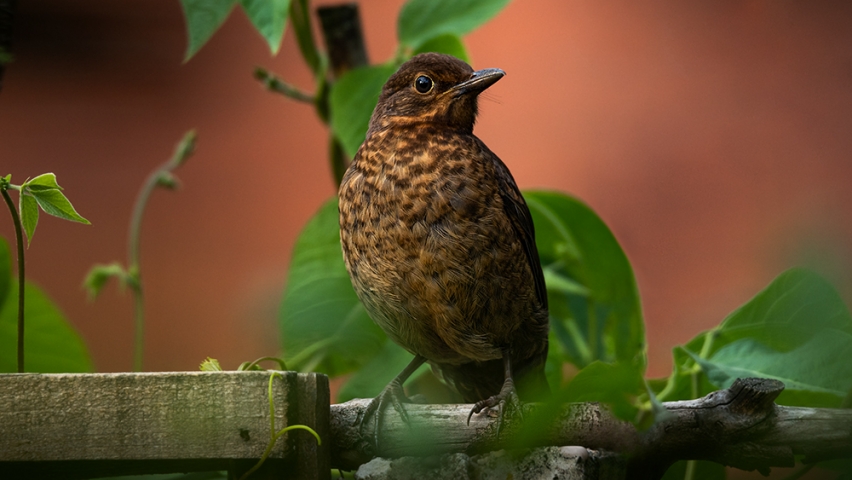
- Urban Juvenile Blackbird.
- Author: EncroVision
- Hits: 701
-
Description: Young blackbirds (sometimes called juveniles) can be confused with thrushes or even robins, due to their speckly brown feathers. They're often a rich, reddish brown colour, especially on their breasts.
You'll often see them following their parents around, pestering for food. Baby blackbirds usually leave the nest before they can actually fly, and hop and scramble their way around trees and bushes. They can be vulnerable from predators at this time, but you should resist the temptation to make a 'rescue' - the parent birds can do a much better job than we ever can.
Click for info
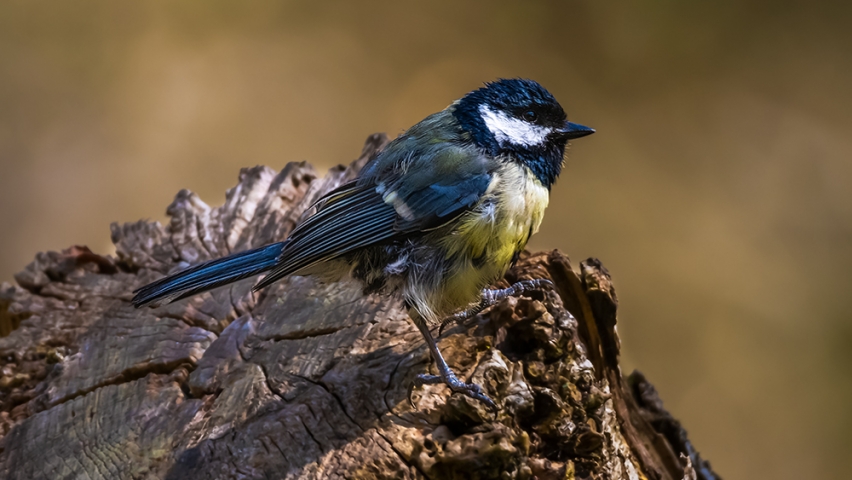
- Great Tit.
- Author: EncroVision
- Hits: 526
-
Description: The great tit (Parus major) is a passerine bird in the tit family Paridae. It is a widespread and common species throughout Europe, the Middle East, Central and Northern Asia, and parts of North Africa where it is generally resident in any sort of woodland; most great tits do not migrate except in extremely harsh winters. Until 2005 this species was lumped with numerous other subspecies. DNA studies have shown these other subspecies to be distinctive from the great tit and these have now been separated as two distinct species, the cinereous tit of southern Asia, and the Japanese tit of East Asia. The great tit remains the most widespread species in the genus Parus.
Click for info
Click for info
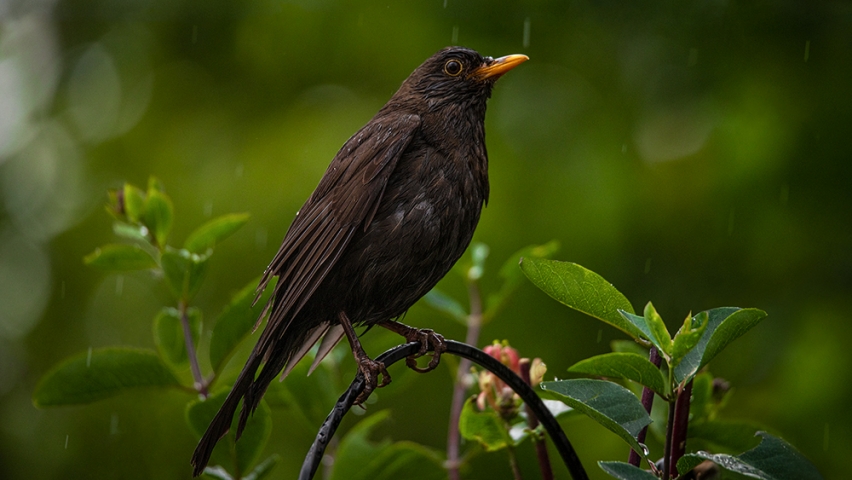
- Female Blackbird in the rain.
- Author: EncroVision
- Hits: 1356
-
Description: The males live up to their name but, confusingly, females are brown often with spots and streaks on their breasts. The bright orange-yellow beak and eye-ring make adult male blackbirds one of the most striking garden birds. One of the most common UK birds, its mellow song is also a favourite.
Click for info
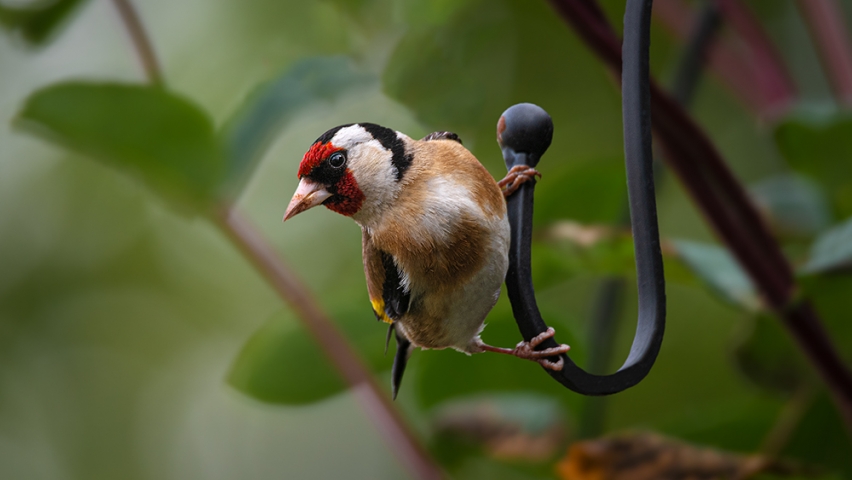
- Adult Goldfinch.
- Author: EncroVision
- Hits: 602
-
Description: The goldfinch is a highly coloured finch with a bright red face and yellow wing patch. Sociable, often breeding in loose colonies, they have a delightful liquid twittering song and call. Their long fine beaks allow them to extract otherwise inaccessible seeds from thistles and teasels. Increasingly they are visiting bird tables and feeders. In winter many UK goldfinches migrate as far south as Spain.
Click for info
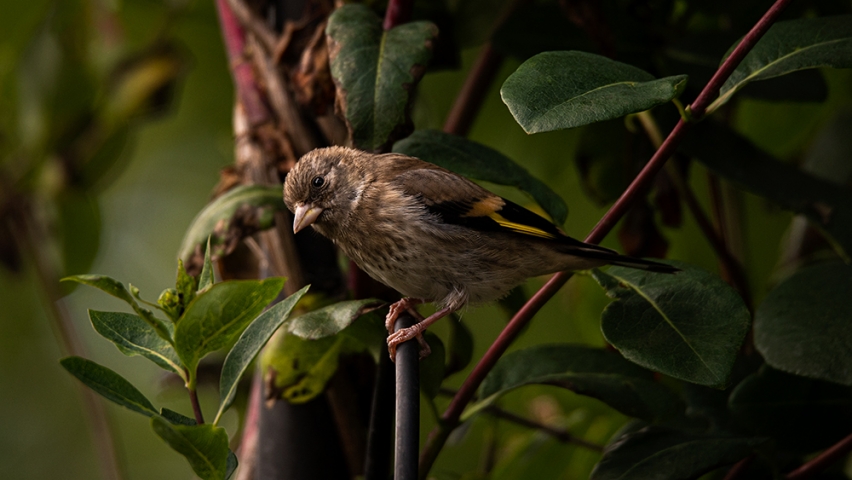
- Fledgling Goldfinch.
- Author: EncroVision
- Hits: 551
-
Description: The goldfinch is a highly coloured finch with a bright red face and yellow wing patch. Sociable, often breeding in loose colonies, they have a delightful liquid twittering song and call. Their long fine beaks allow them to extract otherwise inaccessible seeds from thistles and teasels. Increasingly they are visiting bird tables and feeders. In winter many UK goldfinches migrate as far south as Spain.
Click for info
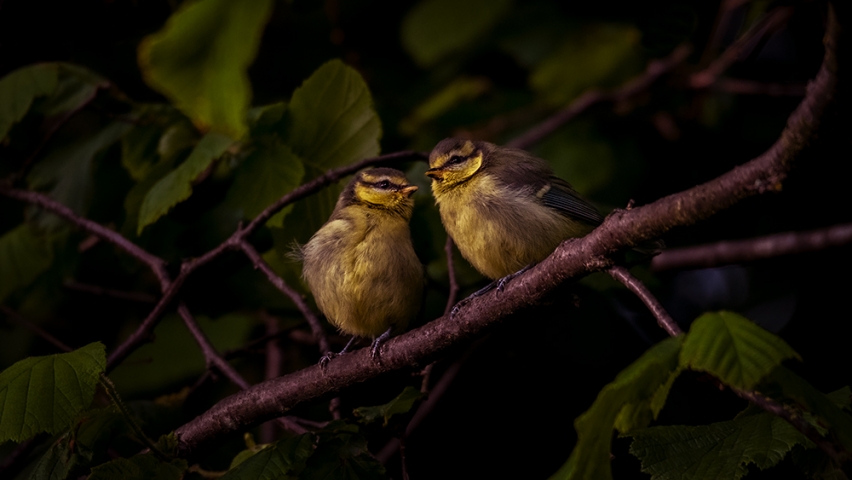
- Fledglings.
- Author: EncroVision
- Hits: 495
-
Description: A colourful mix of blue, yellow, white and green makes the blue tit one of our most attractive and most recognisable garden visitors. In winter, family flocks join up with other tits as they search for food. A garden with four or five blue tits at a feeder at any one time may be feeding 20 or more.
Click for info
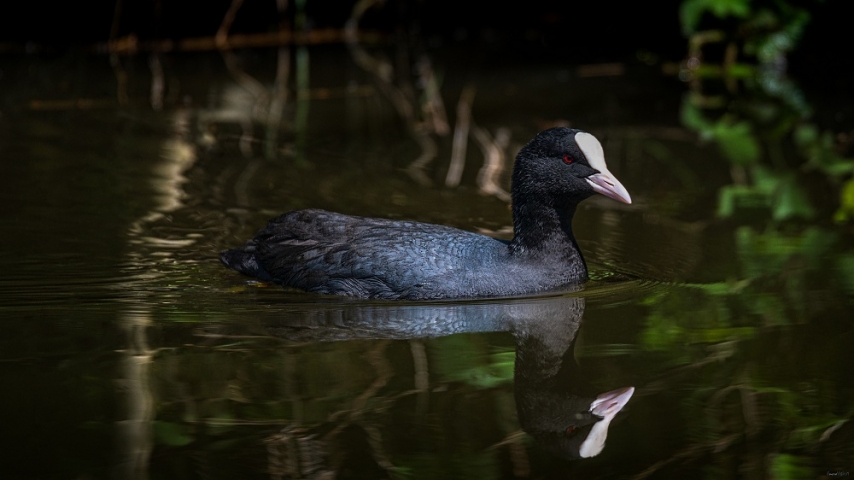
- Coot on the water II.
- Author: EncroVision
- Hits: 533
-
Description: All-black and larger than its cousin, the moorhen, the coot has a distinctive white beak and 'shield' above the beak which earns it the title 'bald'. Its feet have distinctive lobed flaps of skin on the toes which act in the same way as webbed feet when swimming. It patters noisily over the water before taking off and can be very aggressive towards others.
Click for info
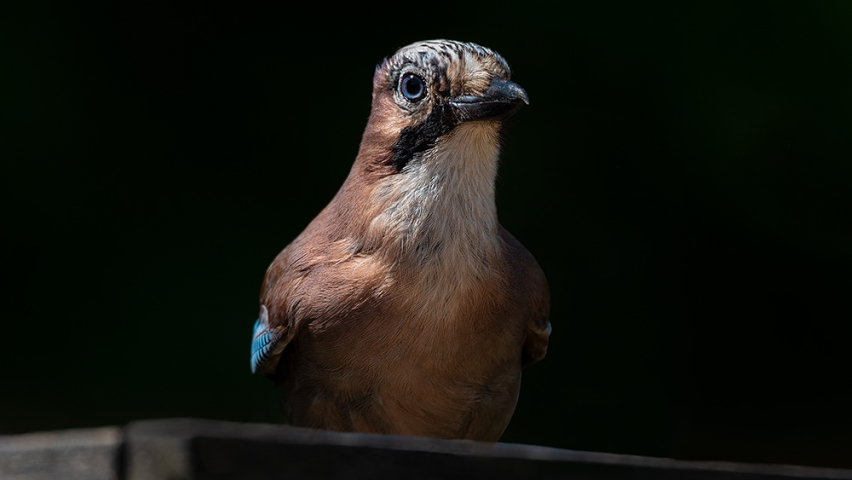
- Urban Jay up-close.
- Author: EncroVision
- Hits: 487
-
Description: Although they are the most colourful members of the crow family, jays are actually quite difficult to see. They are shy woodland birds, rarely moving far from cover. The screaming call usually lets you know a jay is nearby and it is usually given when a bird is on the move, so watch for a bird flying between the trees with its distinctive flash of white on the rump. Jays are famous for their acorn feeding habits and in the autumn you may see them burying acorns for retrieving later in the winter.
Click for info
There are 158 images in category
Total images in all categories: 647
Total number of hits on all images: 663,106
Total number of hits on all images: 663,106
