 Home » Macro Photography

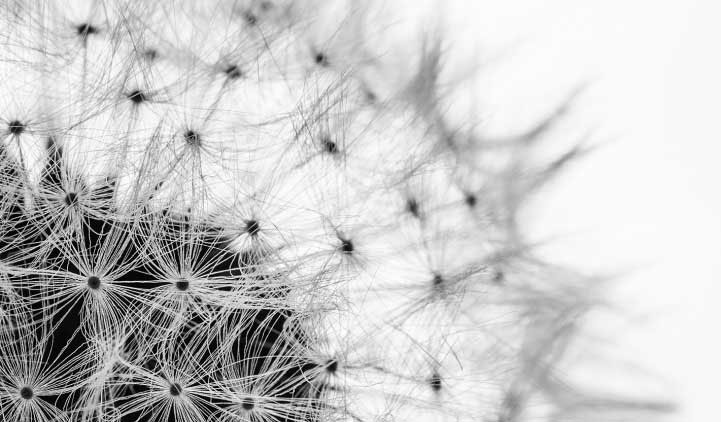
- The Dandelion Clock Macro
- Author: EncroVision
- Hits: 2341
-
Description:
A number of species of Taraxacum are seed dispersed ruderals that rapidly colonize disturbed soil, especially the common dandelion (T. officinale), which has been introduced over much of the temperate world. After flowering is finished, the dandelion flower head dries out for a day or two. The dried petals and stamens drop off, the bracts reflex (curve backwards), and the parachute ball opens into a full sphere.
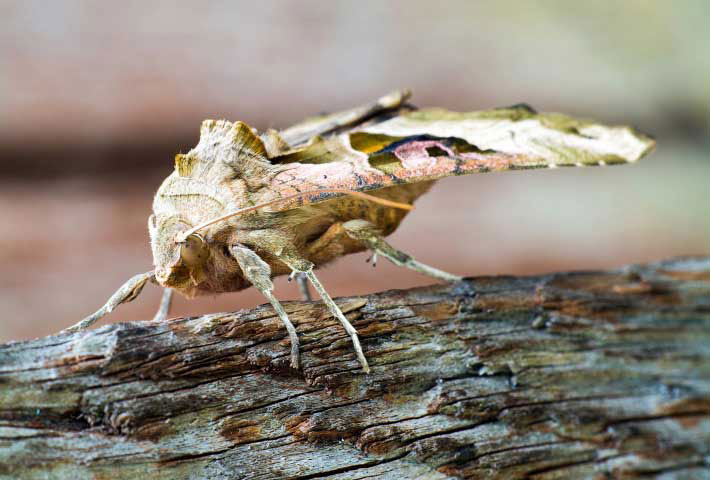
- Angle Shades Moth
- Author: EncroVision
- Hits: 850
-
Description:
The Angle Shades (Phlogophora meticulosa) is a moth of the family Noctuidae. It is a common and familiar European species and is often strongly migratory.
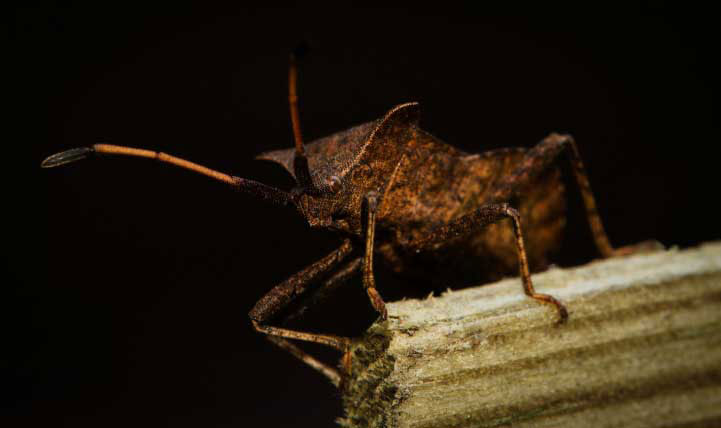
- Shield Beetle 2
- Author: EncroVision
- Hits: 732
-
Description:
Pentatomoidea is a superfamily of insects in the Heteroptera suborder of the Hemiptera order and, as such, share a common arrangement of sucking mouthparts. They are commonly referred to as shield bugs, chust bugs, and stink bugs.
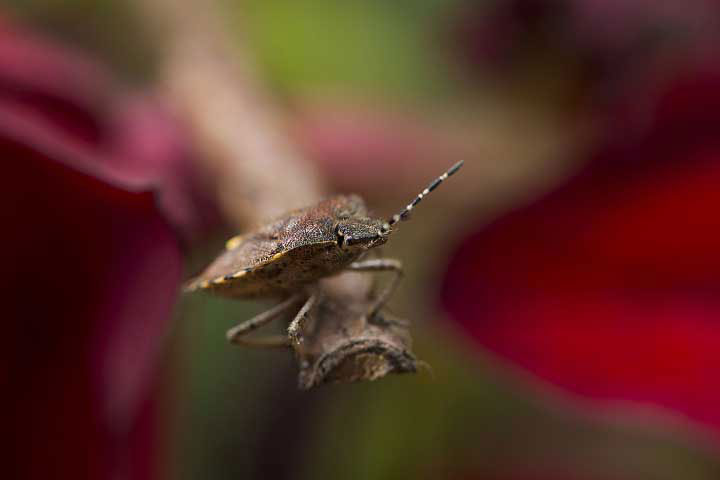
- Shield Beetle
- Author: EncroVision
- Hits: 674
-
Description:
Probably the shield bugs are among the best known bugs in everybody's garden. They are named after their shape, which does remind one of the shields, knights used to defend themselves with in medieval times.

- Woven Decorative Balls
- Author: EncroVision
- Hits: 827
-
Description:
Woven decorative balls made with reeds.
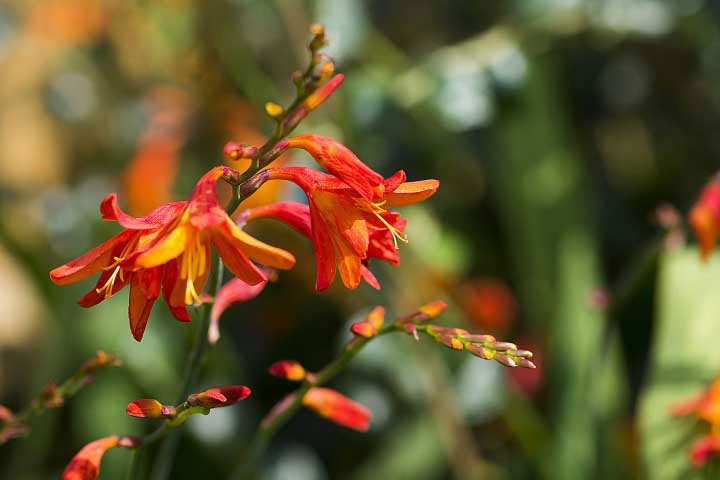
- Lilium Flower
- Author: EncroVision
- Hits: 864
-
Description:
Lilium (members of which are true lilies) is a genus of herbaceous flowering plants growing from bulbs, all with large prominent flowers. Lilies are a group of flowering plants which are important in culture and literature in much of the world. Most species are native to the temperate northern hemisphere, though their range extends into the northern subtropics.
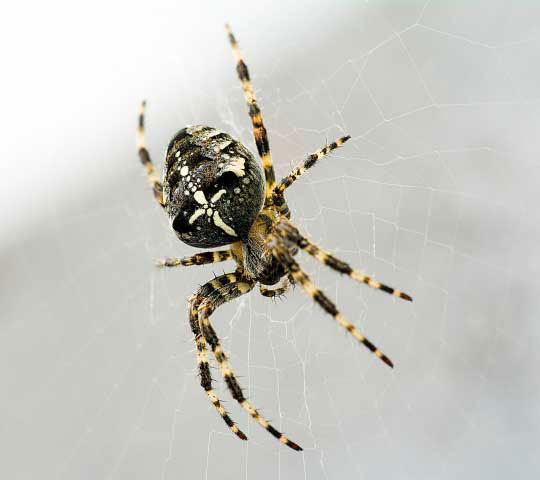
- Garden Cross Spider
- Author: EncroVision
- Hits: 2580
-
Description:
The Garden cross spider (Araneus diadematus) is a common and delightful site that is found in gardens up and down the country between June and November. As one of our largest spiders this ‘orb-web spider’ cannot be missed due to its highly distinctive cross of pale spots across its bulbous abdomen. The adult females grow to 15mm (body length), and males to 9mm. Their colours range from a sandy brown to burnt orange or even almost completely black.
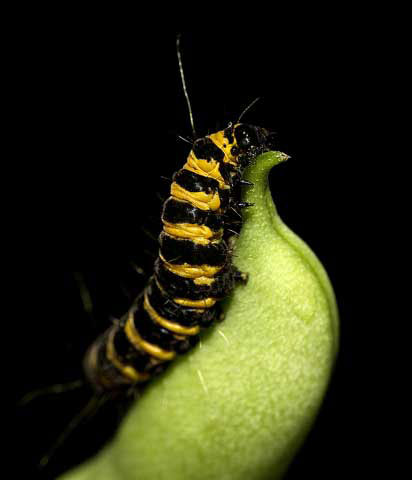
- Cinnabar Moth Caterpillar
- Author: EncroVision
- Hits: 2452
-
Description:
The larvae are pale yellow, but later larval stages develop the jet black and orange/yellow striped colouring. They can grow up to 30mm, and are voracious eaters; large populations can strip entire patches of ragwort clean, a result of their low predation.
Total number of hits on all images: 663,107
